A soap dispenser might appear straightforward until you require a solution capable of withstanding heavy traffic, complementing a facility’s layout, and ensuring a seamless user experience. In demanding commercial environments, selecting the wrong model leads to persistent frustration, as staff are often left to manage leaks, depleted cartridges, failed batteries, or units that clash with the restroom’s design. This is why DRYTA focuses on providing the right dispenser—one that actively supports hygiene, streamlines maintenance, and ensures a facility operates without interruption. Choosing a DRYTA solution reflects the high standards of a property, whether it is a modern office, hospital, school, airport, or retail center, all of which require the dependable performance of daily-use fixtures. While buyers frequently prioritize initial price, true long-term value is found through a strategic selection process. By evaluating DRYTA’s options based on usage frequency, soap type, capacity, power source, durability, and installation requirements, you can make a more informed decision that avoids frequent replacements, user complaints, and wasted product. This guide will demonstrate how to select the ideal DRYTA commercial automatic soap dispenser for your specific needs.
Start With the Setting
Every restroom has its own demands. A small office restroom needs something different from a stadium or medical building. Before you compare models, look at the type of property, daily traffic, and cleaning schedule.
High-traffic restrooms need dispensers that can handle repeated use without frequent refills. Large capacities reduce labor and downtime. In lower-traffic spaces, appearance and compact size may matter more than maximum volume.
The user base matters too. A school, a public building, a healthcare environment, and an upscale office all present different expectations. In some spaces, you may need tamper resistance. In others, a sleek finish and coordinated design may carry more weight.
Choose the Right Capacity
Capacity affects labor almost as much as unit price. A dispenser that runs empty too often creates a bad experience for users and adds extra work for staff. A model with the right reservoir size keeps restrooms ready during peak hours.
Large-capacity units work well in airports, schools, manufacturing facilities, hospitals, and public venues. They reduce refill frequency and help teams manage heavy traffic. Smaller units fit private offices, boutique spaces, or restrooms with limited wall space.
Think about refill timing, not just tank size. If a janitorial team checks restrooms once each evening, a low-capacity unit may create gaps during the day. If staff monitor supplies several times daily, smaller models may still work well.
Look at Power Options
Most automatic soap dispensers use batteries, while some buildings choose to hardwire theirs into the electrical system. Each option offers benefits, and the better choice depends on maintenance preferences and installation conditions.
Battery-powered units offer simple installation and flexibility. Teams can mount them without electrical work, which helps during retrofits and quick upgrades. Many facilities prefer this route because it lowers upfront complexity.
Hardwired units make sense in new construction or full remodels. They remove the need for battery replacement and can support a cleaner maintenance routine over time. They do, however, require more planning during installation. If your project already includes electrical work in the restroom, hardwired dispensers may deserve a closer look.
Think About Soap Compatibility
Not every dispenser works with every soap formula. Some units only accept foam soap. Others support liquid soap, gel soap, or proprietary cartridges. That detail affects both operating costs and day-to-day convenience.
An automatic hand soap dispenser should match the soap your team wants to stock long-term. If you choose a system that locks you into one refill type, you need to feel comfortable with that supply model. Proprietary systems can offer cleaner refills and easier maintenance, but they may limit flexibility.
Bulk-fill models can lower refill costs, but they demand more attention from staff. If employees refill units by hand, they need a clean process and consistent product handling. Sealed cartridges often reduce mess and speed up service, which helps in facilities with tight maintenance schedules.
Focus on Sensor Performance
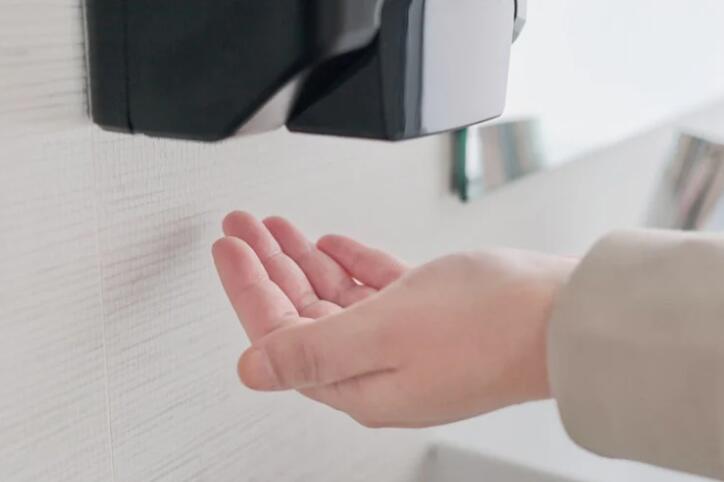
Automatic dispensers rise or fall on sensor reliability. If the sensor responds too slowly, users wave their hands around in frustration. If it dispenses too much soap, the restroom becomes messy, and product costs climb.
Look for models with a consistent detection range and controlled output. The best units deliver the same amount with each use and respond quickly without false triggers. That balance improves the user experience and keeps counters and floors cleaner.
Sensor quality matters even more in busy facilities. A poorly calibrated unit may seem acceptable in a small office, but it becomes a constant problem in a crowded building. When you review products, consider performance under repeated daily use, not just how the unit looks on the wall.
Evaluate Durability
Commercial restrooms put hardware through constant wear. People bump units, cleaning crews wipe them down, and temperature or humidity can vary throughout the day. A dispenser needs materials and construction that can hold up.
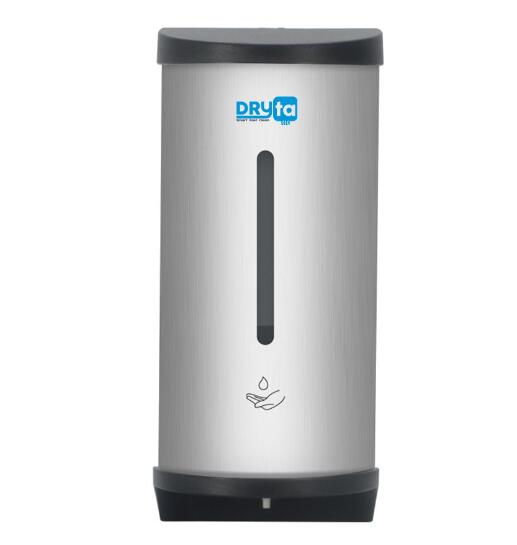
Look at the housing, internal components, and mounting system. Durable plastic can work well in many environments, especially when it resists cracking and discoloration. Metal finishes may offer a more upscale look, though they can show fingerprints or scratches depending on the surface.
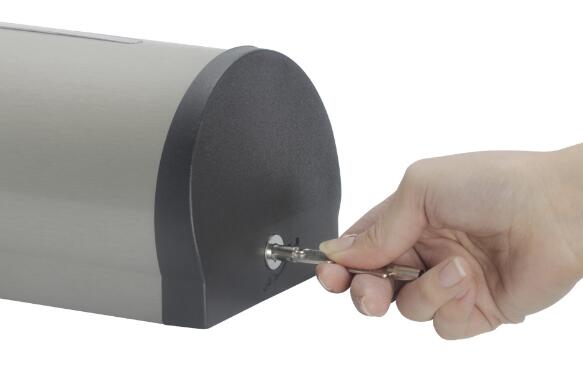
Public buildings, schools, and transportation hubs often benefit from impact-resistant designs and locking covers. Those features help reduce vandalism, accidental damage, and refill tampering. A durable dispenser usually saves money because it lowers replacement frequency and keeps service calls down.
Match the Design to the Restroom
Function comes first, but appearance still matters. Soap dispensers sit at eye level and contribute to the overall impression of a restroom. A mismatched or bulky unit can undercut an otherwise polished space.
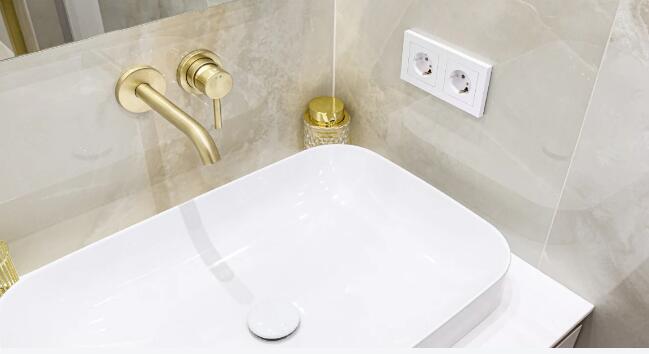
Choose a finish and form that fit the surrounding fixtures. Restrooms with modern faucets, hand dryers, and partitions often look better with sleek, minimal dispensers. Practical spaces may prioritize simple, easy-to-clean surfaces over design details.
Placement matters as much as style. Users should reach the unit easily, and staff should refill it without struggle. A dispenser that fits the sink area, backsplash, and traffic flow creates a cleaner and more intuitive experience.
Consider Maintenance From the Start
A dispenser may look great on day one and become a headache by month three. That happens when buyers overlook maintenance details. Refill access, battery replacement, cleaning, and parts availability all shape long-term satisfaction.
Choose a model your team can service quickly. Front-loading refills, clear viewing windows, and simple locking mechanisms save time during routine checks. If a dispenser requires awkward steps or special tools, staff may lose time every week.
It also helps to think about replacement parts and product continuity. A dependable model from a trusted supplier makes future ordering easier. That consistency helps facility teams avoid mismatched hardware and supply gaps.
Keep Accessibility in Mind
Commercial restrooms need hardware that supports easy use for a wide range of people. Placement height, reach range, and reliable touch-free dispensing all affect accessibility. A well-chosen dispenser helps users wash their hands with less effort and less confusion.
The surrounding layout also matters. A good dispenser location supports smooth movement near the sink without crowding the space. Architects, contractors, and facility managers should review the dispenser as part of the full handwashing area, not as a separate item.
When teams think about accessibility early, they make better decisions during product selection and installation. That approach leads to a restroom that feels more functional and welcoming for everyone who uses it.
Make the Best Long-Term Choice
The right automatic soap dispenser fits the traffic level, supports the right refill system, holds up under use, and eases maintenance. It also complements the restroom’s design and ensures a clean experience for every visitor.
Choosing with long-term performance in mind helps avoid future problems. You get fewer refill issues, better reliability, and a more professional result . A thoughtful decision at the start pays off every day after installation.


 Helen@dryta.com
 +8618657679988
 0086-574-62759992
 No. 8, Jinfeng Road, Yuyao, Ningbo, Zhejiang,China.
Copyright © 2025 DRYTA All Right Reserved. Designed & SEO by followala.cn Sitemap | XML

 Languages
 Home
Home Products
 Company
 Contact Us